
Optimal Timing for Land Clearing
Land clearing is a vital step in preparing a site for construction, agriculture, or development projects. The timing of land clearing can significantly influence project efficiency, cost, and environmental impact. Understanding the optimal periods for land clearing ensures that work proceeds smoothly and minimizes potential delays.
Spring is often ideal due to moderate weather conditions and active soil moisture levels, facilitating easier excavation and removal processes.
Summer offers longer daylight hours, but high temperatures and dry conditions can pose challenges, including increased fire risk and soil compaction.
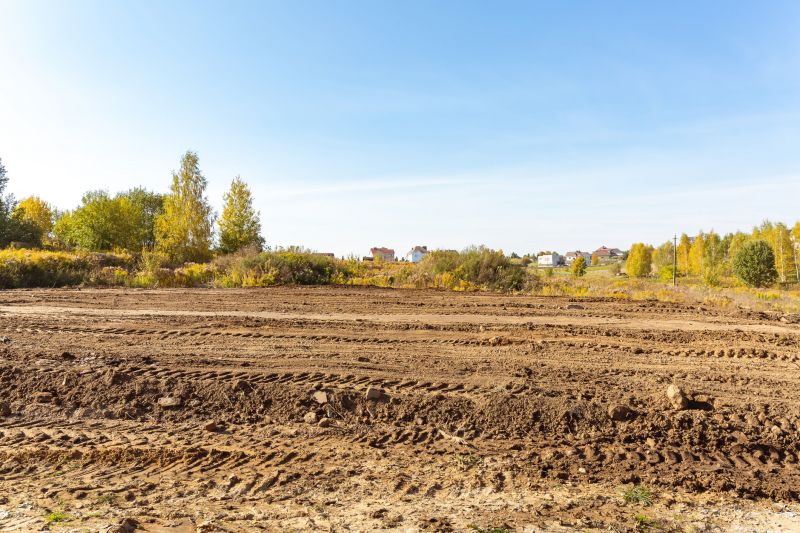
Fall provides cooler weather and sufficient moisture, making it suitable for land clearing before winter sets in.
Winter is generally less favorable due to frozen ground, snow cover, and limited accessibility, which can delay operations.
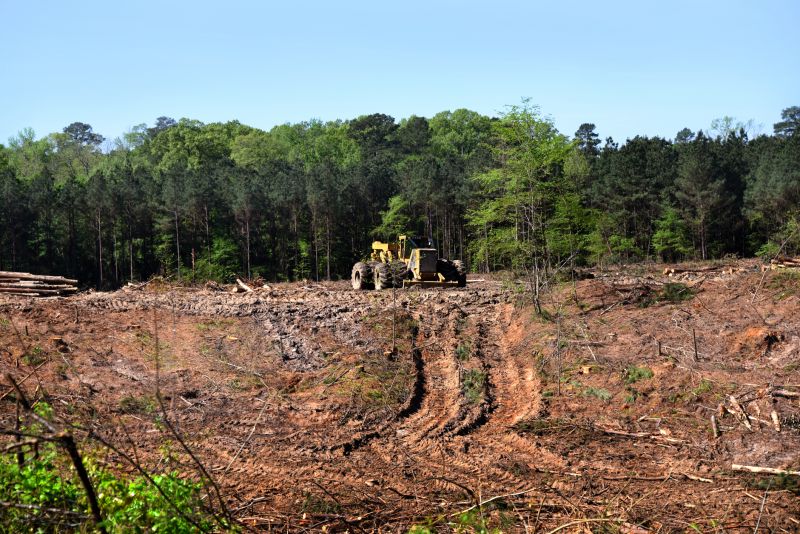
Image depicting land clearing during spring with lush greenery and active machinery.
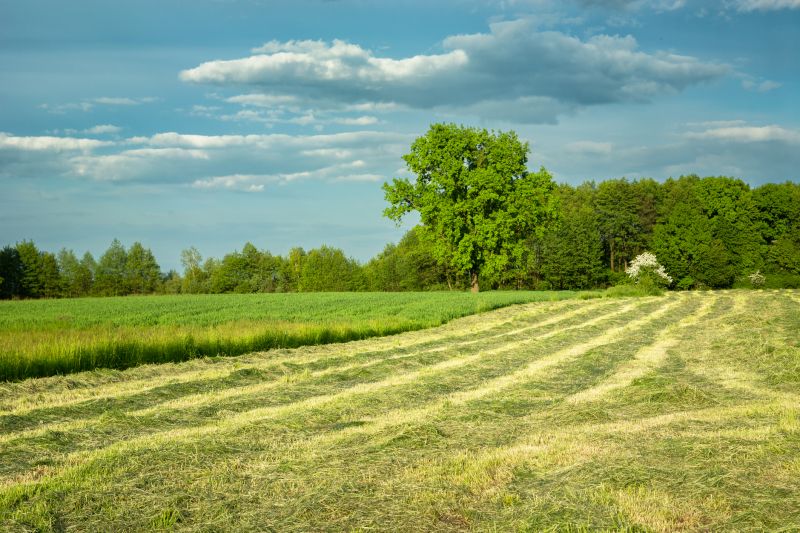
Image showing land clearing in summer with dry soil and bright sunlight.
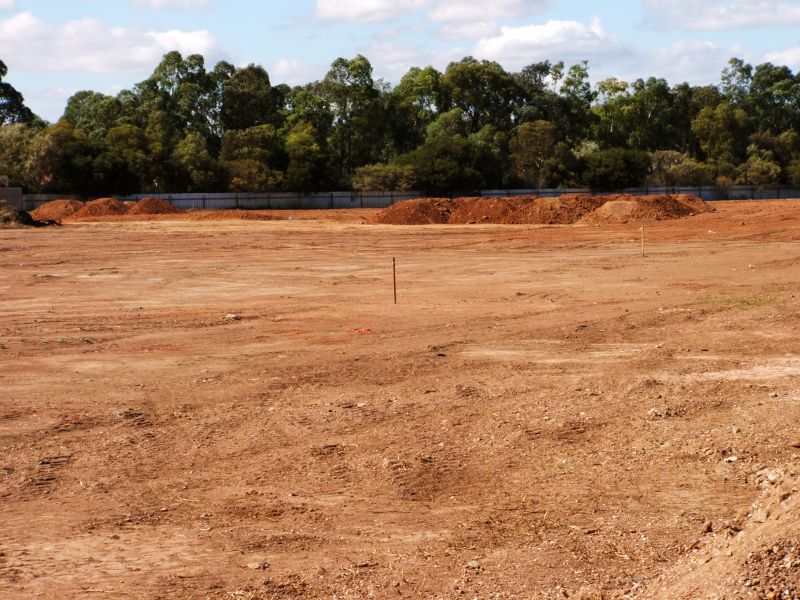
Image illustrating land clearing in fall with colorful foliage and prepared terrain.
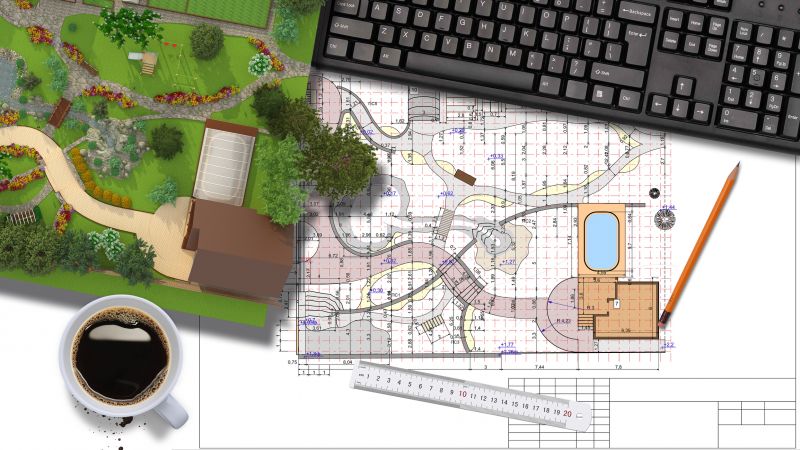
Ways to make Land Clearings work in tight or awkward layouts.
Popular materials for Land Clearings and why they hold up over time.
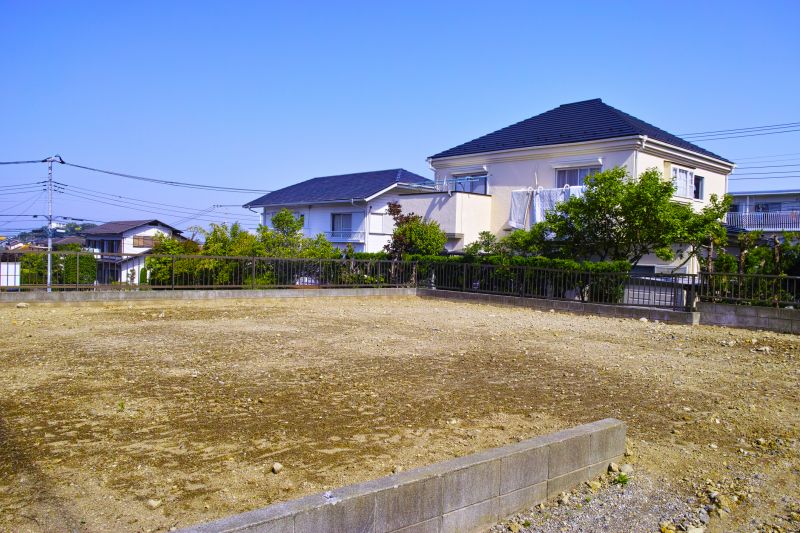
Simple add-ons that improve Land Clearings without blowing the budget.
| Season | Ideal Conditions |
|---|---|
| Spring | Moderate temperatures, active soil moisture, longer daylight |
| Summer | Longer days, but risk of heat and drought |
| Fall | Cool weather, sufficient moisture, pre-winter preparation |
| Winter | Frozen ground, snow cover, limited accessibility |
Selecting the appropriate time for land clearing depends on several factors, including local climate, project scope, and soil conditions. Proper timing can reduce operational costs, improve safety, and enhance the quality of the clearing process. For instance, clearing during dry and cool periods minimizes soil disturbance and erosion risks, while avoiding seasons prone to heavy rainfall prevents site flooding and delays.

Image of machinery working on land during spring with budding trees.
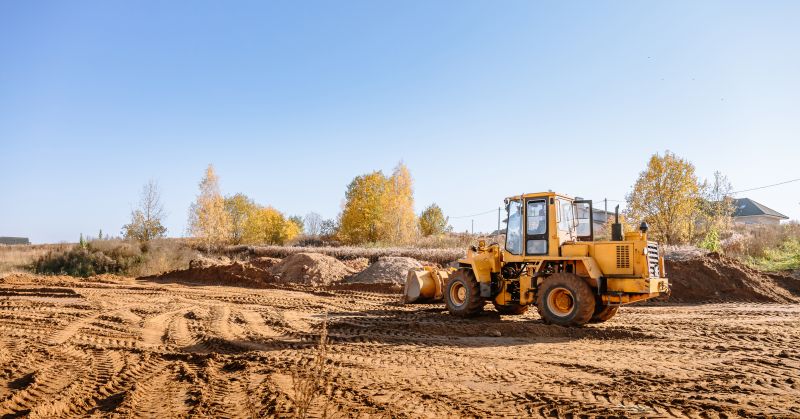
Image of land clearing equipment amidst summer landscape.

Image showing cleared land with autumn foliage in background.

Image of land with snow cover and machinery idle.

High-end options that actually feel worth it for Land Clearings.

Finishes and colors that play nicely with Land Clearings.

Little measurements that prevent headaches on Land Clearings day.

A 60-second routine that keeps Land Clearings looking new.

A frequent mistake in Land Clearings and how to dodge it.

Small tweaks to make Land Clearings safer and easier to use.

Lower-waste or water-saving choices for Land Clearings.
The short, realistic tool list for quality Land Clearings.
Timing land clearing appropriately can also depend on project deadlines and seasonal work schedules. It is advisable to coordinate with local weather forecasts and soil assessments to choose the most advantageous window. Proper planning ensures that land clearing activities align with project timelines and resource availability, reducing the risk of weather-related setbacks.
Choosing the right season can influence labor and equipment costs, with favorable weather reducing delays and complications.
Seasonal conditions affect soil stability, erosion potential, and vegetation management during land clearing.
Timely clearing ensures the site is ready for subsequent construction phases without unnecessary delays.
Proper timing helps in managing soil health and vegetation removal efficiently.
Interested parties are encouraged to contact for more information regarding land clearing schedules and planning. Proper timing can optimize project outcomes and reduce operational challenges.